

In land acquisition, timing and location are everything. While many investors focus on what a property looks like today, the real opportunity often lies where the market is headed tomorrow. At Rupe Companies, we spend a significant amount of time identifying emerging growth corridors which are areas where infrastructure, employment, and population trends are aligned to create long-term value. Below are several key indicators we evaluate when assessing whether a corridor is positioned for sustainable growth.
1. Infrastructure Investment: Public and private investment in roads, utilities, and transportation is often the earliest signal of future growth.
2. Employment Anchors: Major employers, medical campuses, logistics hubs, and corporate relocations create long-term demand for surrounding land uses.
3. Population Migration Patterns: Inbound migration, particularly among working-age residents, supports housing absorption and commercial demand.
4. Traffic Counts: Current traffic counts remain at a critical data point. If traffic counts are too low, a site’s success becomes dependent on projected growth rather than existing demand.
5. Housing Starts and Entitlements: Increased permitting activity and residential development often precede retail and service expansion.
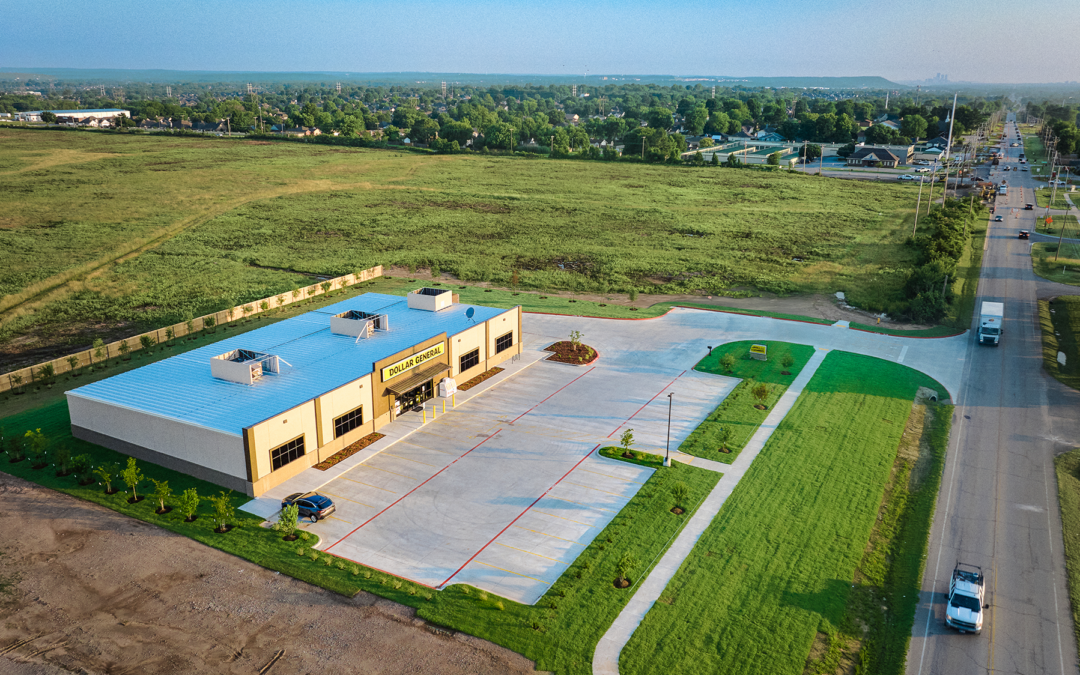
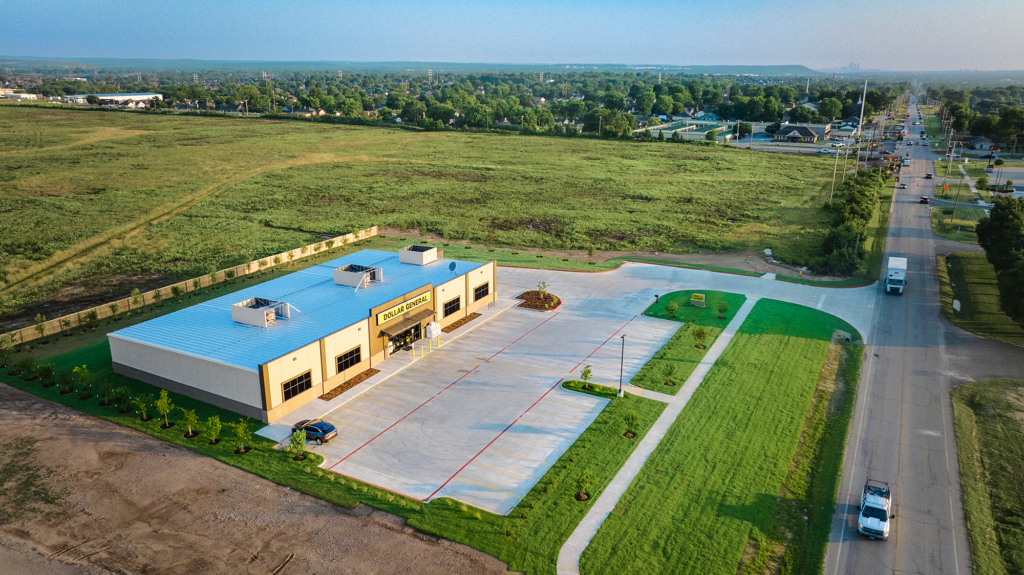
6. Retail and Service Expansion: National and regional retailers follow rooftops. Their site selection can validate a corridor’s trajectory.
7. Municipal Planning and Zoning Initiatives: Comprehensive plans, future land-use maps, and zoning flexibility can either accelerate or restrict growth.
8. Land Pricing Trends: Early-stage corridors typically show widening gaps between raw land pricing and stabilized asset values.
9. Access and Connectivity: Proximity to highways, interchanges, and regional connectors increases visibility and market reach.
10. Utility Capacity and Scalability: Available or expandable utility infrastructure reduces development risk and timeline uncertainty.
The Bottom Line: Emerging growth corridors present some of the most compelling land opportunities, but only when supported by data, planning, and disciplined underwriting. At Rupe Companies, we focus on identifying corridors before they fully mature, allowing our partners to capitalize on growth while managing risk through informed strategy.
